This website is best viewed using Chrome, Firefox, or Microsoft Edge

(if you choose not to upgrade, you may experience pages not viewing correctly)

What the DAV National Service Foundation can do for you

Learn more about the DAV foundation
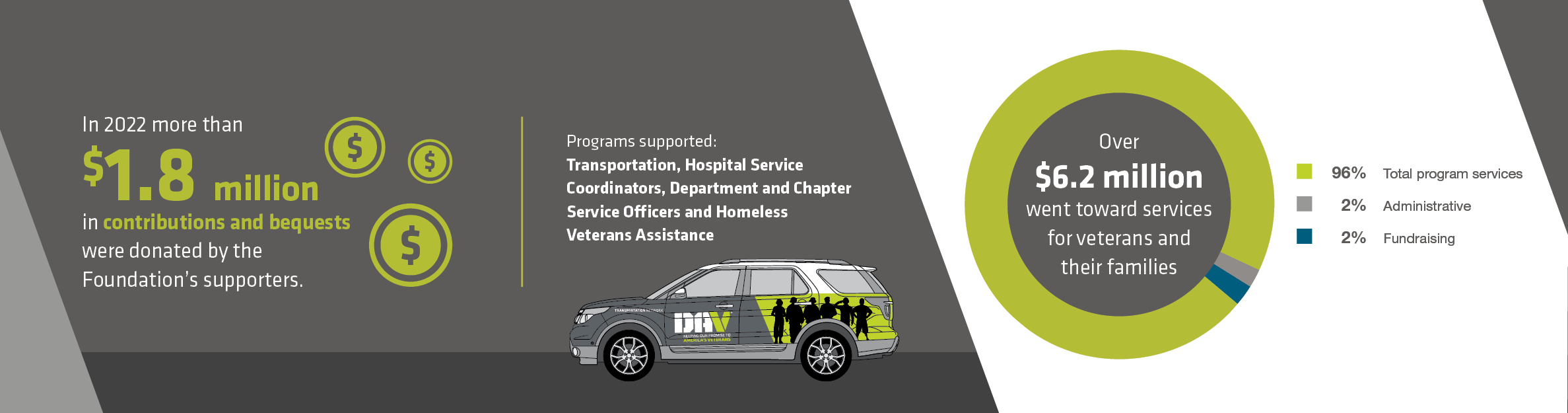
In 2022, 96% of funds were expended toward direct program services for veterans and their families.


Recent News
More News >
  • 28
    Jul

    Orlando to host 2026 DAV and Auxiliary National Convention

    Read More
  • 23
    Jul

    Honest, Vulnerable, Visible

    Read More
  • 21
    Jul

    From denial to relief: One veteran’s battle over cancer benefits

    Read More
  • 20
    Jul

    Joint statement on VA’s release of new traumatic brain injury numbers

    Read More
Find Your Local NSO
Thank An NSO
Facebook Feed
Facebook Page >
Comments Box SVG iconsUsed for the like, share, comment, and reaction icons

There is remarkable consensus across the veterans community. Combat-disabled veterans deserve full benefits. Survivors deserve more support. Caregivers deserve meaningful resources. Veteran suicide demands action. The sticking point is Section 108. Remove it. See MoreSee Less

Before there was modern veterans advocacy, there was the Bonus Army.

In 1932, thousands of World War I veterans traveled to Washington, D.C., seeking early payment of promised service bonuses as the Great Depression had devastated American families.

By June, thousands of veterans had set up camp in Washington within view of the Capitol. On July 28, 1932, the police arrived to move them out and a riot erupted which resulted in police shooting and killing two men. The U.S. Army—led by Gen. Douglas MacArthur—was called and forcibly evicted the Bonus Army.

Soldiers, some who served in combat with the protesters, were ordered to violently disperse the veterans with tanks and tear gas. The Bonus Army March became one of the most defining moments in veterans history—and a powerful reminder that supporting veterans cannot end when the uniform comes off.

That mission still drives DAV today.
See MoreSee Less

Most job seekers rely on their professional network when making career moves, but transitioning service members are building theirs from scratch.

That's why mentorship, networking opportunities and employee resource groups can make such a meaningful difference during the transition to civilian employment.

Organizations that provide support during onboarding help veterans feel more connected and engaged.

Learn ways to incorporate veteran and military transition support into your workplace with DAV's Hiring Guide for Employers of the Military Community ➡️ .
See MoreSee Less